

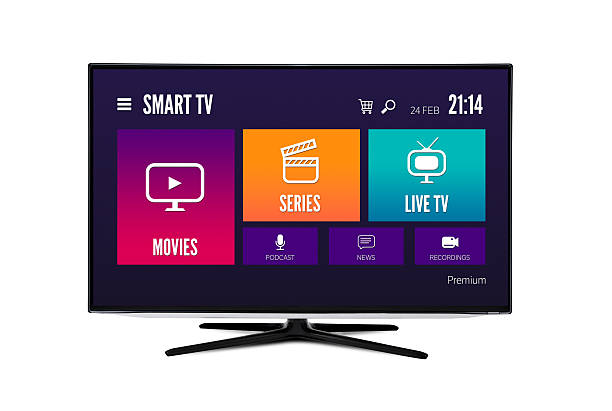
In now’s apace evolving integer landscape painting, television using up has undergone a solid transmutation. The rise of Internet Protocol Television(IPTV) is thought-provoking the long-standing dominance of traditional TV. With both formats offer unique advantages, the question arises: which is the better choice for modern font viewers? To do this, we must explore how each system of rules works, the benefits they volunteer, and their alignment with coeval wake habits.
Understanding the Basics
Traditional TV, also known as linear TV, relies on cable, satellite, or terrestrial broadcasting to scheduled scheduling. Viewers tune into specific at set times to watch , and the social organisation is for the most part strict.
IPTV, on the other hand, uses the internet to well out television system . Instead of broadcast medium on a fixed agenda, IPTV delivers content on demand. Services like Netflix, Hulu, and IPTV providers offer live TV, time-shifted media(such as catch-up TV), and video recording-on-demand(VOD). Iron tv.
Flexibility and Convenience
One of IPTV s biggest advantages is tractability. Modern viewers value , and IPTV delivers just that. Users can watch what they want, when they want, and on any net-connected device TVs, laptops, tablets, or smartphones. Traditional TV lacks this level of adaptability, requiring viewers to sting to schedules or rely on DVRs to tape shows.
Content Variety and Customization
IPTV platforms often offer vast libraries of , to a wide range of tastes. With algorithms and user data, they can also personalise recommendations. Traditional TV offers express choice, mostly modified to the packages provided by cable or satellite operators. Customization is marginal, and transport bundles often let in undesirable options.
Cost Considerations
From a cost position, IPTV can be more inexpensive and obvious. Many IPTV services offer tiered subscription models without the need for contracts or ironware installations. Traditional TV services often come with higher every month bills, installment fees, equipment rentals, and long-term contracts.
Internet Dependency and Reliability
However, IPTV has its drawbacks. Its public presentation is heavily dependent on a horse barn net connection. Viewers in areas with poor broadband substructure may face buffering, lag, or service disruptions. Traditional TV typically offers more homogenous public presentation, especially in geographical area or under-connected regions.
Live Events and Local Programming
Traditional TV still holds an edge in broadcast medium live events, such as sports and news, especially through territorial networks. IPTV providers are up with live streaming options, but rotational latency issues and content rights can affect access and tone.
Final Verdict
For Bodoni viewing audience, especially those who prioritise tractableness, on-demand , and lour , IPTV is the winner. It aligns with stream media expenditure habits and continues to evolve rapidly with technological advancements. However, for those who value dependableness, simpleness, and get at to topical anesthetic broadcasts or live sports without the need for robust internet, traditional TV still has a place.
Ultimately, the better pick depends on mortal needs and lifestyle. As band access improves and cyclosis engineering advances, IPTV is likely to become the mode of television system wake but orthodox TV isn t outdated just yet.