

During the holy month of Ramadan, food takes on a special meaning as families gather for iftar, the meal that breaks the daily fast. One of the most loved parts of these meals is the variety of middle eastern appetizers that appear on the table.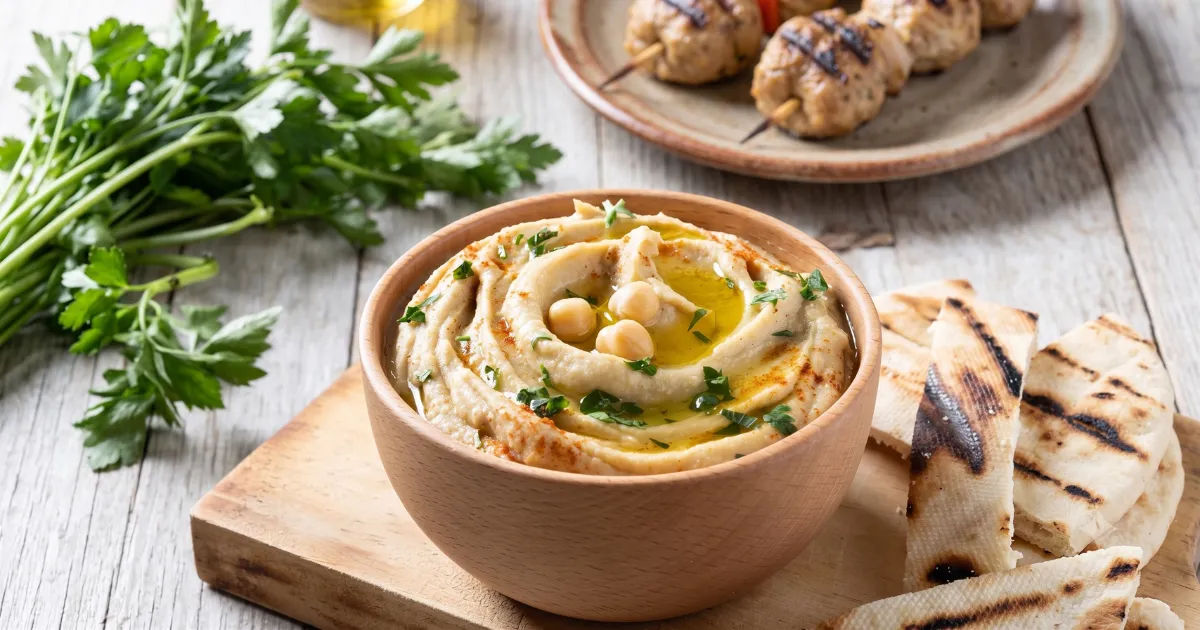
These small dishes are not only flavorful but also designed to gently reintroduce energy after a long day of fasting. From light soups to crispy pastries and fresh salads, middle eastern appetizers play a central role in creating a balanced and satisfying iftar experience.
In many households, preparing middle eastern appetizers becomes a daily tradition that brings people together. These dishes are often shared, passed around, and enjoyed in small portions, making the meal feel warm and communal.
Whether it is stuffed pastries, creamy dips, or refreshing salads, middle eastern appetizers reflect both cultural heritage and practical nutrition during Ramadan.This guide explores the most popular choices, why they are favored, and how they contribute to a fulfilling Ramadan table.
You will also learn how different regions add their own touch while still keeping the spirit of traditional flavors alive. By the end, you will have a clear understanding of why middle eastern appetizers are essential during this holy month.
The Importance of Food in Ramadan Traditions
Ramadan is not just about fasting; it is also about discipline, reflection, and gratitude. Food becomes a reward at the end of the fast, and this is where middle eastern appetizers hold special importance.
After long hours without food or water, the body needs gentle nourishment. Heavy meals can feel overwhelming, which is why small, flavorful dishes are preferred first. Middle eastern appetizers provide the perfect balance of taste and lightness, helping the digestive system adjust slowly.
In many cultures, iftar begins with dates and water, followed by soups, salads, and other middle eastern appetizers before moving to main dishes. This gradual approach is both healthy and traditional, making the meal more enjoyable and structured.
Why Middle Eastern Appetizers Dominate Iftar Tables
There are several reasons why middle eastern appetizers are so popular during Ramadan:
First, they are designed to be shared. Ramadan is a social month, and meals are often enjoyed with family, friends, and neighbors. Small plates encourage sharing and conversation.
Second, they offer variety. A single table may include soups, dips, fried snacks, and fresh salads, all categorized as middle eastern appetizers. This variety ensures that everyone finds something they enjoy.
Third, they are light yet satisfying. After fasting, the body needs nutrients without being overloaded. Middle eastern appetizers provide energy in a balanced way.
Finally, they reflect cultural diversity. From Lebanon to Egypt, Turkey to Jordan, each region adds its own flavor to middle eastern appetizers, making Ramadan tables rich and diverse.
Popular Middle Eastern Appetizers in Ramadan
Soups: Warm and Nourishing Starts
Soups are often the first step after breaking the fast. They are easy to digest and comforting.
One of the most popular choices is lentil soup, made with red lentils, cumin, and lemon. It is simple but rich in flavor. Another favorite is chicken soup with vermicelli, which is light yet filling.
These soups are considered essential middle eastern appetizers because they prepare the stomach for heavier foods. They also provide hydration, which is important after fasting.
In many homes, soup is served daily during Ramadan, making it one of the most consistent middle eastern appetizers on the table.
Fried Appetizers: Crispy and Flavorful Treats
Fried snacks are among the most loved middle eastern appetizers during Ramadan. They are crunchy, flavorful, and satisfying in small portions.
Samosas are extremely popular, filled with meat, cheese, or vegetables. Sambousek, a similar pastry, is often stuffed with minced lamb or spinach. Kibbeh, made from bulgur and meat, is another traditional favorite.
These fried middle eastern appetizers are often prepared in large batches before Ramadan begins and stored for quick frying at iftar time. Their crispy texture and rich fillings make them irresistible after a long day of fasting.
However, they are usually eaten in moderation because they are heavier compared to other middle eastern appetizers.
Dips and Spreads: Creamy and Refreshing Flavors
Dips are essential on any Ramadan table. They are light, nutritious, and pair well with bread or vegetables.
Hummus is one of the most famous middle eastern appetizers, made from chickpeas, tahini, lemon juice, and garlic. Baba ghanoush, made from roasted eggplant, is another classic choice with a smoky flavor.
Labneh, a strained yogurt cheese, is often served with olive oil and herbs. These creamy middle eastern appetizers provide protein and healthy fats, making them both delicious and nourishing.
They are also easy to prepare in advance, which is helpful during busy Ramadan evenings.
Stuffed Pastries: Traditional and Satisfying
Stuffed pastries are another important category of middle eastern appetizers. They are flavorful, portable, and perfect for sharing.
Fatayer, small baked pastries, are commonly filled with spinach, cheese, or meat. Warak enab, or stuffed grape leaves, are filled with rice, herbs, and sometimes minced meat.
These middle eastern appetizers are often prepared in large trays and served warm or at room temperature. Their combination of soft dough and savory filling makes them a Ramadan favorite.
Stuffed pastries are also deeply traditional, with recipes passed down through generations.
Fresh Salads: Light and Refreshing Choices
Salads play an important role in balancing the richness of other foods. They are fresh, hydrating, and full of nutrients.
Fattoush is one of the most popular middle eastern appetizers, made with mixed vegetables, toasted pita bread, and a tangy sumac dressing. Tabbouleh, made with parsley, bulgur, tomatoes, and lemon juice, is another classic.
These middle eastern appetizers help refresh the palate and add a healthy element to the meal. They are especially important during Ramadan because they provide vitamins and hydration.
Many families consider salads an essential part of their daily middle eastern appetizers spread.
Light Bites: Simple Yet Essential
Light bites include items like olives, pickles, cheese, and dates. While simple, they are an important part of middle eastern appetizers during Ramadan.
Dates are traditionally used to break the fast because they provide quick energy. Olives and pickles add a salty contrast that enhances the overall meal experience.
Cheese platters with bread are also common, offering a mild and satisfying start. These light middle eastern appetizers help bridge the gap between fasting and full meals.
How Middle Eastern Appetizers Create Balance in Ramadan Meals
One of the key reasons middle eastern appetizers are so important is their ability to create balance. After fasting, the body needs a mix of hydration, energy, and nutrients.
Soups provide warmth and hydration. Fried snacks offer energy and comfort. Dips bring healthy fats and protein. Salads add freshness and vitamins. Together, these middle eastern appetizers create a complete and balanced start to the meal.
This balance is not accidental; it is rooted in centuries of culinary tradition across the Middle East.
Regional Variations of Middle Eastern Appetizers
Different countries add their own twist to middle eastern appetizers during Ramadan.
In Lebanon and Syria, you will find more salads, dips, and pastries like fatayer and kibbeh. In Egypt, fried foods like sambousek and lentil-based soups are more common. In Turkey, borek and yogurt-based dishes are popular additions.
Despite these differences, all versions of middle eastern appetizers share the same purpose: to provide a light, flavorful, and satisfying start to iftar.
Tips for Serving Middle Eastern Appetizers During Ramadan
Serving middle eastern appetizers effectively can enhance the Ramadan dining experience.
Start with a balanced selection that includes soup, salad, dip, and one fried item. This ensures variety without overwhelming the table.
Serve in small portions so guests can try multiple middle eastern appetizers without feeling too full.
Prepare as much as possible in advance. Many middle eastern appetizers can be made earlier in the day or even frozen before Ramadan begins.
Finally, focus on presentation. A well-arranged table makes middle eastern appetizers more inviting and enjoyable.
Nutritional Value of Middle Eastern Appetizers
Beyond taste, middle eastern appetizers also provide important nutrients.
Lentil soups offer protein and fiber. Hummus provides healthy fats and plant-based protein. Salads supply vitamins and antioxidants. Even fried snacks, when eaten in moderation, contribute energy needed after fasting.
This nutritional diversity is why middle eastern appetizers are considered both traditional and practical during Ramadan.
Conclusion
Ramadan is a time of reflection, community, and gratitude, and food plays a central role in this experience. Middle eastern appetizers are at the heart of the iftar table, offering a perfect balance of flavor, nutrition, and tradition.
From warm soups to crispy pastries, creamy dips to fresh salads, middle eastern appetizers bring variety and satisfaction to every meal. They are designed not only to nourish the body but also to bring people together in shared enjoyment.
Across different regions, these dishes may vary, but their purpose remains the same. They ease the transition from fasting to feasting, support healthy eating habits, and celebrate cultural heritage.
Understanding the importance of middle eastern appetizers helps us appreciate the richness of Ramadan traditions even more. These small dishes carry big meaning, making every iftar both delicious and meaningful.