

When people enter the world of commercial interiors, hospitality, healthcare, or office design, they often hear the term “contract fabric specification.”
Many designers, architects, and business owners rely on trusted suppliers like Platinum Fabrics GSCC to ensure the materials they choose meet industry standards.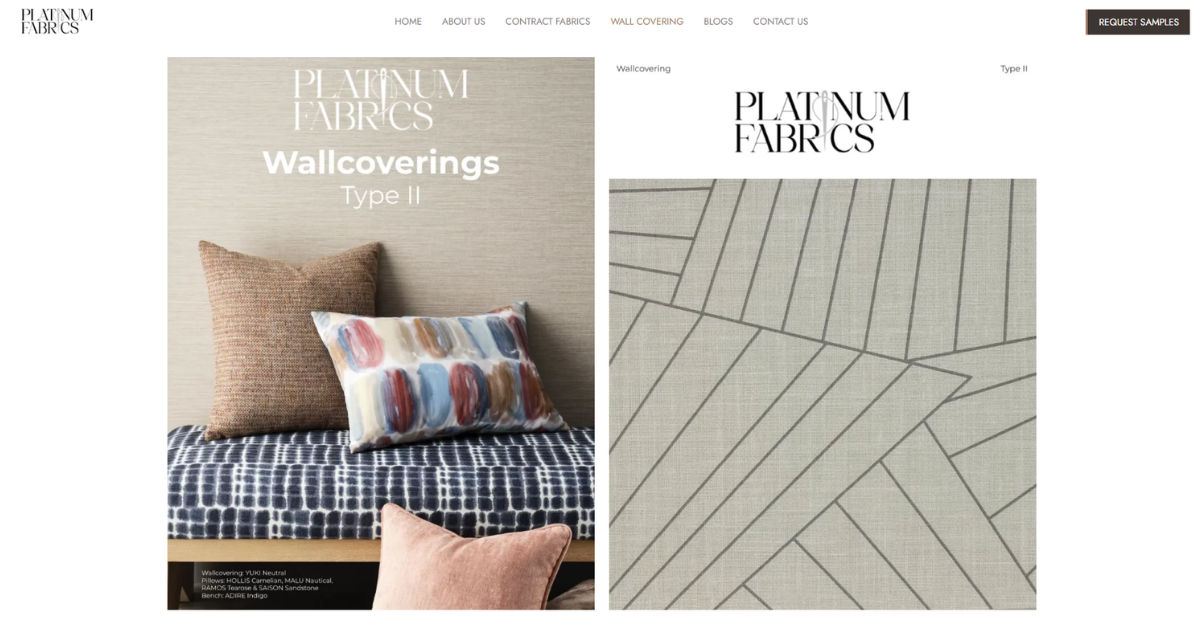
Understanding contract fabric specification is important because the right fabric affects durability, comfort, safety, appearance, and long-term performance.
In simple words, contract fabric specification refers to the detailed requirements and standards used to select fabrics for commercial or public spaces. These fabrics are not ordinary residential fabrics.
They are specially designed to handle heavy use, strict safety rules, and long-lasting performance.
Today, companies like Platinum Fabrics GSCC help businesses and designers choose fabrics that meet these exact requirements.
Whether it is a hotel lobby, hospital waiting room, office chair, or restaurant booth, contract fabrics play a major role in both design and function.
This guide explains everything you need to know about contract fabric specification in easy language. You will learn about fabric standards, testing methods, durability, fire resistance, sustainability, maintenance, and how businesses use these specifications in real projects.
Contract Fabrics
Contract fabrics are textiles made specifically for commercial environments. Unlike home fabrics, they are manufactured to survive constant use by many people every day.
Commercial spaces experience much more wear and tear than homes. A sofa in a hotel lobby may be used hundreds of times daily, while an office chair may support different employees throughout the week. Because of this, designers choose fabrics based on strict specifications.
Companies such as Platinum Fabrics GSCC provide fabrics that meet the required commercial standards for strength, safety, and performance.
Difference Between Residential and Contract Fabrics
Residential fabrics focus mainly on style and comfort. Contract fabrics focus on durability, safety, and performance in addition to appearance.
Here are some key differences:
- Contract fabrics are stronger
- They resist stains better
- They meet fire safety codes
- They last longer
- They are easier to clean
- They are tested for heavy usage
This is why businesses often trust suppliers like Platinum Fabrics GSCC for commercial fabric solutions.
What Does Fabric Specification Mean?
Fabric specification is the detailed description of a fabric’s technical and performance qualities.
It tells designers and buyers exactly how the fabric performs under different conditions.
A specification sheet usually includes:
- Fabric composition
- Weight
- Width
- Durability rating
- Fire resistance
- Cleaning instructions
- Abrasion resistance
- Colorfastness
- Environmental certifications
Professionals working with Platinum Fabrics GSCC often review specification sheets carefully before making purchasing decisions.
Why Contract Fabric Specification Matters
Contract fabric specification is important because commercial spaces require reliable materials.
A poor fabric choice can cause problems such as:
- Fast wear and tear
- Safety risks
- High maintenance costs
- Fading colors
- Customer dissatisfaction
- Frequent replacement expenses
Using properly specified fabrics from providers like Platinum Fabrics GSCC helps businesses avoid these issues.
Improves Durability
Commercial furniture experiences constant use. Strong fabric specifications ensure the material can survive years of daily activity.
Supports Safety Regulations
Many countries require commercial fabrics to meet fire safety standards. Contract specifications help ensure compliance with these laws.
Reduces Maintenance Costs
Easy-to-clean fabrics save businesses money on maintenance and replacement.
Enhances Appearance
High-quality fabrics maintain their appearance for longer periods, which helps businesses create professional environments.
Key Elements of Contract Fabric Specification
Understanding the main elements of a specification sheet helps buyers make smart decisions.
Fabric Composition
This refers to the materials used to create the fabric.
Common fibers include:
- Polyester
- Nylon
- Olefin
- Acrylic
- Cotton blends
- Vinyl
- Wool blends
Each material has different benefits. Many collections offered by Platinum Fabrics GSCC combine durability with visual appeal.
Abrasion Resistance
Abrasion resistance measures how well a fabric handles rubbing and friction.
This is often tested using the Wyzenbeek or Martindale test.
Higher abrasion ratings mean better durability.
Wyzenbeek Test
The Wyzenbeek test measures how many double rubs a fabric can survive before showing wear.
Common ratings include:
- 15,000 double rubs for light commercial use
- 30,000 for heavy commercial use
- 50,000+ for extremely heavy use
Products from Platinum Fabrics GSCC are often selected based on these performance standards.
Fire Resistance
Commercial fabrics must often meet fire safety requirements.
Common fire safety tests include:
- CAL 117
- NFPA 260
- BS 5852
These standards help reduce fire risks in public spaces.
Colorfastness
Colorfastness measures how well fabric maintains its color after exposure to sunlight, cleaning, or rubbing.
Good contract fabrics resist fading over time.
Cleanability
Commercial spaces require fabrics that are easy to maintain.
Specification sheets often list cleaning methods and stain resistance levels.
Suppliers like Platinum Fabrics GSCC understand the importance of easy-care fabrics in busy commercial settings.
Common Applications of Contract Fabrics
Contract fabrics are used in many industries.
Hospitality Industry
Hotels use contract fabrics for:
- Lobby seating
- Guest room furniture
- Curtains
- Headboards
- Dining chairs
Hotels choose fabrics that combine beauty with durability.
Healthcare Facilities
Hospitals and clinics need fabrics that are:
- Easy to disinfect
- Resistant to bacteria
- Durable
- Comfortable
Healthcare designers often rely on experienced suppliers such as Platinum Fabrics GSCC for healthcare textile solutions.
Corporate Offices
Office furniture needs fabrics that withstand daily employee use.
Popular applications include:
- Office chairs
- Reception seating
- Cubicle panels
- Lounge furniture
Educational Institutions
Schools and universities need durable textiles for classrooms, auditoriums, and libraries.
Restaurants
Restaurants require fabrics resistant to spills, stains, and heavy traffic.
Important Testing Standards in Contract Fabric Specification
Testing standards help buyers compare fabric performance fairly.
Martindale Test
The Martindale test measures abrasion resistance through circular rubbing motions.
Higher scores indicate greater durability.
Seam Slippage Test
This measures how much seams open under pressure.
Strong seams improve furniture lifespan.
Tensile Strength Test
This test measures how much force the fabric can withstand before tearing.
Pilling Resistance
Pilling occurs when small fabric balls form on the surface.
Commercial fabrics should resist pilling for a cleaner appearance.
UV Resistance
Sunlight can damage fabric over time.
UV-resistant materials maintain their appearance longer.
Many fabrics distributed by Platinum Fabrics GSCC are designed for strong UV performance.
Understanding Fire Codes in Contract Fabrics
Fire safety is one of the most important parts of contract fabric specification.
Commercial buildings must follow legal fire safety rules.
Why Fire Resistance Matters
Public spaces contain many people. Fire-resistant materials help slow flame spread and improve safety.
Common Fire Safety Standards
CAL 117
This California standard tests upholstery materials for flammability.
NFPA 701
This standard applies mainly to curtains and drapery fabrics.
BS 5852
Widely used in the United Kingdom for furniture fire testing.
Businesses working with Platinum Fabrics GSCC often prioritize compliance with international safety standards.
Sustainability in Contract Fabric Specification
Environmental responsibility is becoming increasingly important.
Many companies now seek eco-friendly fabrics for commercial projects.
Recycled Materials
Some contract fabrics use recycled polyester or reused fibers.
Low Chemical Emissions
Low-VOC fabrics improve indoor air quality.
Green Certifications
Common sustainability certifications include:
- GREENGUARD
- LEED contribution
- OEKO-TEX
Suppliers like Platinum Fabrics GSCC may offer environmentally responsible textile options for sustainable projects.
How Designers Choose Contract Fabrics
Designers follow a detailed process when selecting fabrics.
Step 1: Understand the Environment
The first step is identifying where the fabric will be used.
Questions include:
- Is the area high traffic?
- Will food or drinks be present?
- Is sunlight exposure high?
- Does the space require fire-rated materials?
Step 2: Review Specifications
Designers study performance ratings carefully.
Step 3: Evaluate Appearance
Color, texture, and pattern must match the interior design concept.
Step 4: Check Maintenance Requirements
Easy cleaning is essential for commercial settings.
Step 5: Confirm Budget
Durable fabrics often reduce long-term replacement costs.
Many professionals choose Platinum Fabrics GSCC because of their balance between quality and commercial practicality.
Popular Types of Contract Fabrics
Vinyl Upholstery
Vinyl is popular in healthcare and hospitality because it is easy to clean.
Polyester Fabrics
Polyester offers durability and affordability.
Wool Blends
Wool blends provide comfort and luxury while maintaining strong performance.
Crypton Fabrics
Crypton fabrics are engineered for stain resistance and moisture protection.
Outdoor Contract Fabrics
Outdoor commercial spaces require UV-resistant and water-resistant materials.
Collections from Platinum Fabrics GSCC may include multiple commercial-grade fabric categories.
Common Problems Without Proper Fabric Specification
Ignoring proper specifications can create serious problems.
Early Fabric Failure
Low-quality fabrics may tear or fade quickly.
Expensive Replacements
Replacing commercial furniture fabrics is costly.
Safety Violations
Failure to meet fire codes can lead to legal issues.
Poor Customer Experience
Damaged furniture creates a negative impression on visitors.
This is why many businesses depend on experienced suppliers like Platinum Fabrics GSCC.
Contract Fabric Specification in Interior Design
Interior designers use specifications to balance beauty and function.
Commercial design requires careful material planning because spaces must remain attractive for years.
Color Selection
Designers choose colors that fit branding and atmosphere.
Texture Considerations
Texture affects comfort and visual interest.
Pattern Coordination
Patterns can hide stains and wear in busy spaces.
Acoustic Benefits
Some fabrics help reduce noise in commercial interiors.
Digital Technology and Fabric Specification
Modern technology has changed how fabrics are tested and selected.
Digital Fabric Libraries
Designers can now browse thousands of fabric specifications online.
Performance Simulation
Software can predict how fabrics will perform over time.
Smart Textiles
Some modern fabrics include advanced technology like antimicrobial protection.
Suppliers including Platinum Fabrics GSCC continue adapting to evolving textile technologies.
How to Read a Contract Fabric Specification Sheet
Specification sheets may look technical at first, but understanding the basics makes them easier to read.
Fabric Name
This identifies the product collection.
Fiber Content
Lists the materials used.
Width
Shows the width of the fabric roll.
Weight
Heavier fabrics are often more durable.
Cleaning Codes
These indicate approved cleaning methods.
Durability Ratings
Shows abrasion resistance results.
Fire Test Results
Confirms compliance with safety standards.
Professionals working with Platinum Fabrics GSCC often compare specification sheets before finalizing projects.
Importance of Maintenance in Contract Fabrics
Even the best fabrics require proper care.
Regular Cleaning
Routine maintenance extends fabric lifespan.
Immediate Stain Removal
Quick action prevents permanent damage.
Professional Maintenance
Some fabrics require specialized cleaning.
Protective Treatments
Additional coatings can improve stain resistance.
Trends in Contract Fabric Specification
The commercial textile industry continues evolving.
Sustainable Design
Eco-friendly fabrics are becoming more popular.
Antimicrobial Fabrics
Healthcare and hospitality industries increasingly use antimicrobial materials.
Biophilic Design
Natural textures and earthy colors are trending.
High-Performance Luxury Fabrics
Businesses want durable fabrics without sacrificing elegance.
Many modern collections offered by Platinum Fabrics GSCC follow these industry trends.
Challenges in Contract Fabric Selection
Choosing the right fabric is not always simple.
Budget Limitations
High-performance fabrics may cost more initially.
Balancing Beauty and Performance
Some attractive fabrics may lack durability.
Compliance Requirements
Different countries have different regulations.
Changing Design Trends
Commercial interiors may need updates over time.
Tips for Choosing the Right Contract Fabric
Understand Usage Levels
Choose stronger fabrics for high-traffic areas.
Prioritize Safety
Always confirm fire code compliance.
Consider Cleaning Needs
Select fabrics appropriate for the environment.
Request Samples
Physical samples help evaluate texture and appearance.
Work With Trusted Suppliers
Experienced providers like Platinum Fabrics GSCC can guide buyers toward suitable options.
Future of Contract Fabric Specification
The future of commercial textiles looks advanced and innovative.
Smart Fabrics
Technology-integrated textiles may monitor temperature or cleanliness.
Advanced Sustainability
More manufacturers are reducing environmental impact.
Better Durability
New fibers continue improving fabric lifespan.
Improved Recycling
The industry is developing better textile recycling systems.
Companies such as Platinum Fabrics GSCC are expected to remain important as businesses continue demanding high-performance commercial fabrics.
Conclusion
Contract fabric specification is an essential part of commercial interior design. It helps businesses choose fabrics that are safe, durable, attractive, and easy to maintain. Unlike residential textiles, contract fabrics must survive heavy use while meeting strict performance standards.
Understanding factors like abrasion resistance, fire safety, cleanability, sustainability, and durability allows designers and businesses to make informed choices. Proper specifications reduce long-term costs, improve customer experience, and help maintain professional spaces.
Trusted suppliers like Platinum Fabrics GSCC play a major role in helping architects, designers, healthcare facilities, hotels, offices, and restaurants select the right commercial fabrics for their needs. As technology and sustainability continue shaping the textile industry, contract fabric specification will become even more important in future commercial projects.
By learning the basics of contract fabric specification, businesses can create interiors that not only look beautiful but also perform effectively for many years.