

Homeowners across Long Island are choosing natural water features instead of traditional swimming pools. Many families no longer use their pools regularly, and maintenance costs continue to rise every year.
Because of this, more property owners now decide to convert pool to pond Long Island NY projects into beautiful backyard ecosystems filled with fish, plants, and waterfalls.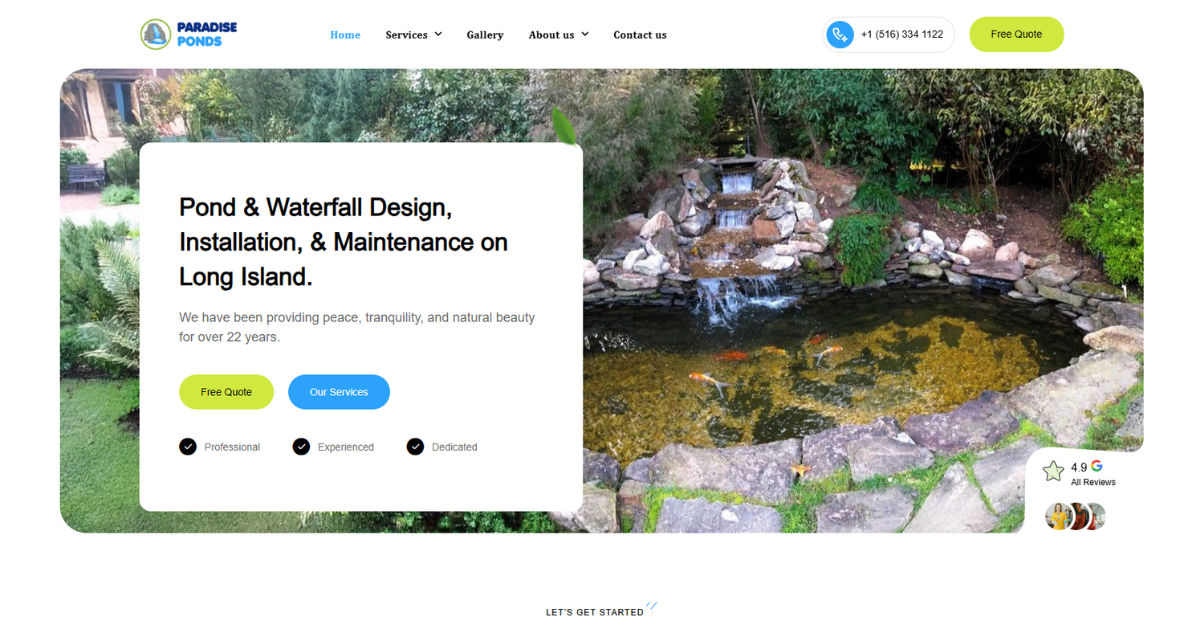
When you convert pool to pond Long Island NY, selecting the right fish becomes one of the most important decisions you will make. The climate on Long Island includes cold winters, warm summers, changing water temperatures, and seasonal weather shifts. Not every fish species can survive these conditions. Some fish thrive in natural pond systems, while others struggle or require expensive heating systems and constant care.
The good news is that many fish species adapt very well to pond environments in Long Island. Whether you want colorful koi, hardy goldfish, algae-eating fish, or native species, there are excellent options available for your backyard pond transformation.
This guide explains everything you need to know about fish selection when you convert pool to pond Long Island NY. You will learn which fish survive best, which combinations work together, how to maintain healthy water, and how to create a balanced ecosystem that looks beautiful all year long.
Why Homeowners Convert Pools Into Ponds
Swimming pools require chemicals, pumps, liners, heaters, and regular maintenance. Many older pools become expensive to repair over time. Instead of removing a pool completely, homeowners often choose to transform it into a pond.
A pond creates a more natural appearance and supports wildlife. Birds, frogs, butterflies, and fish all become part of the backyard environment. Many homeowners also find ponds more relaxing than pools.
When families convert pool to pond Long Island NY, they often gain several benefits:
- Lower maintenance costs
- Reduced chemical use
- Increased property beauty
- Better environmental sustainability
- Relaxing outdoor atmosphere
- Habitat for fish and wildlife
- Year-round landscape appeal
A properly designed pond can become the centerpiece of the backyard while using much of the original pool structure.
Understanding Long Island Pond Conditions
Before choosing fish, it is important to understand Long Island’s climate and pond conditions.
Winter Temperatures
Long Island winters can become very cold. Pond surfaces may freeze for extended periods. Fish must tolerate low temperatures and survive under ice conditions.
Summer Heat
Summer temperatures can rise significantly. Shallow ponds may heat quickly, reducing oxygen levels. Fish species must handle temperature swings.
Water Depth
Most converted pools are deeper than standard garden ponds. This is beneficial because deeper water helps fish survive winter and summer temperature changes.
Rainfall and Water Quality
Rain, leaves, runoff, and nearby landscaping can affect water chemistry. Fish species must adapt to changing conditions.
Because of these factors, hardy pond fish are usually the best choice when homeowners convert pool to pond Long Island NY.
Best Fish Species for Long Island Pond Conversions
Not every fish species belongs in an outdoor pond. The following fish are among the best options for Long Island climates.
Koi Fish
Koi are one of the most popular pond fish in America.
These colorful fish originated from carp breeding in Japan and are known for their striking patterns and graceful movement. Koi can live for decades when properly cared for.
Why Koi Work Well
When homeowners convert pool to pond Long Island NY, koi are often the first choice because:
- They tolerate cold winters
- They adapt well to deep ponds
- They grow large and beautiful
- They are friendly and interactive
- They add elegance to landscapes
Koi Size
Koi can grow very large. Some reach over two feet long. A converted swimming pool usually provides enough space for healthy growth.
Koi Colors
Common koi colors include:
- White
- Orange
- Black
- Yellow
- Red
- Blue
- Mixed patterns
Their colors create visual interest throughout the pond.
Koi Care
Koi require:
- Strong filtration
- Good oxygen levels
- Stable water conditions
- Quality food
- Winter aeration
Because koi produce a lot of waste, proper filtration is essential after you convert pool to pond Long Island NY.
Goldfish
Goldfish are another excellent option for pond conversions.
They are hardy, affordable, and easier to maintain than koi.
Types of Pond Goldfish
The best goldfish for outdoor ponds include:
- Comet goldfish
- Shubunkin goldfish
- Common goldfish
Fancy goldfish usually do not perform as well outdoors.
Why Goldfish Are Popular
Many homeowners who convert pool to pond Long Island NY choose goldfish because:
- They survive cold winters
- They reproduce naturally
- They are affordable
- They come in many colors
- They require less maintenance than koi
Goldfish Growth
Pond goldfish grow much larger than pet store goldfish kept in tanks. Some may reach over one foot long in large ponds.
Goldfish and Plants
Goldfish may nibble on plants but usually cause less damage than koi.
Shubunkin Goldfish
Shubunkins deserve special attention because they perform exceptionally well in outdoor ponds.
These fish have calico patterns with blue, orange, black, and white coloring.
Benefits of Shubunkins
When families convert pool to pond Long Island NY, shubunkins are popular because they:
- Handle cold weather very well
- Swim actively
- Display vibrant colors
- Breed easily
- Resist disease
Their energetic swimming makes ponds feel lively and active.
Golden Orfe
Golden orfe are slim, fast-swimming fish known for their metallic golden appearance.
Why They Work
Golden orfe can help create movement in larger ponds.
They:
- Swim near the surface
- Add activity
- Handle cooler climates
- Thrive in deep ponds
Important Considerations
Golden orfe need high oxygen levels. Proper aeration is important when you convert pool to pond Long Island NY.
Native Sunfish
Some pond owners prefer native fish species.
Sunfish varieties may work in large naturalized pond systems.
Advantages
Native fish:
- Adapt well to local climate
- Support natural ecosystems
- Blend into wildlife habitats
- Require less intervention
Challenges
However, some native species can become aggressive or overpopulate ponds.
Before adding native fish after you convert pool to pond Long Island NY, research local regulations and ecological impacts.
Fish Species to Avoid
Some fish do not belong in Long Island ponds.
Tropical Fish
Tropical fish cannot survive winter temperatures outdoors.
Avoid species like:
- Guppies
- Mollies
- Angelfish
- Discus
- Bettas
These fish require heated indoor aquariums.
Large Predatory Fish
Predatory species can disrupt pond ecosystems.
Avoid:
- Large catfish
- Pike
- Muskie
- Snakehead fish
These fish may eat smaller pond fish.
Invasive Species
Some fish become environmental threats if released into local waterways.
Never add illegal or invasive fish species when you convert pool to pond Long Island NY.
How Many Fish Should You Add?
One of the biggest mistakes pond owners make is overcrowding.
Too many fish create poor water quality, algae problems, and oxygen shortages.
General Pond Stocking Rules
A common recommendation is:
- One inch of fish per 10 gallons of water
However, this depends on:
- Filtration quality
- Pond depth
- Aeration
- Plant coverage
- Fish species
Because converted pools are large, they often support more fish than traditional backyard ponds.
Still, gradual stocking is best after you convert pool to pond Long Island NY.
The Importance of Filtration
Fish health depends heavily on filtration systems.
Swimming pools use chemical filtration, while ponds rely more on biological balance.
Biological Filtration
Beneficial bacteria break down fish waste and harmful ammonia.
Without proper biological filtration:
- Fish become stressed
- Water becomes cloudy
- Algae grows rapidly
- Oxygen levels decrease
Mechanical Filtration
Mechanical filters remove:
- Leaves
- Debris
- Fish waste
- Sediment
Upgrading Pool Systems
Many existing pool pumps can be modified during a convert pool to pond Long Island NY project, but they often require redesigning for pond use.
Oxygen Levels Matter
Fish need oxygen-rich water to survive.
Low oxygen is one of the most common causes of fish death in ponds.
Ways to Improve Oxygen
Homeowners can increase oxygen by adding:
- Waterfalls
- Aerators
- Fountains
- Aquatic plants
- Proper circulation systems
Large fish like koi especially benefit from strong oxygen levels after you convert pool to pond Long Island NY.
Aquatic Plants That Help Fish
Plants do more than make ponds beautiful.
They help stabilize ecosystems and support fish health.
Floating Plants
Floating plants provide shade and reduce algae.
Popular options include:
- Water lettuce
- Water hyacinth
- Duckweed
Marginal Plants
Marginal plants grow along pond edges.
Examples include:
- Iris
- Cattails
- Rushes
These plants improve natural appearance when homeowners convert pool to pond Long Island NY.
Oxygenating Plants
Underwater plants release oxygen into the water.
Examples include:
- Hornwort
- Anacharis
- Vallisneria
These help fish thrive naturally.
Winter Fish Care in Long Island
Winter survival is a major concern for pond owners.
Fortunately, many fish species can survive Long Island winters if the pond is deep enough.
Pond Depth
A depth of at least 3 to 4 feet is recommended for winter fish survival.
Converted pools often exceed this depth, making them excellent pond candidates.
Prevent Complete Ice Coverage
Fish need gas exchange even during winter.
Use:
- Pond de-icers
- Aerators
- Bubblers
Never smash ice directly because shock waves can harm fish.
When you convert pool to pond Long Island NY, winter planning should always be part of the design process.
Predator Protection
Outdoor ponds attract predators.
Common pond predators on Long Island include:
- Herons
- Raccoons
- Cats
- Hawks
Ways to Protect Fish
Protection methods include:
- Deep pond zones
- Fish caves
- Netting
- Motion sprinklers
- Dense aquatic plants
Koi are especially vulnerable because of their bright colors.
Feeding Pond Fish
Proper feeding supports fish health and water quality.
Summer Feeding
During warm months, fish are active and eat regularly.
Use high-quality pond food designed for:
- Koi
- Goldfish
- Cold-water fish
Winter Feeding
Fish metabolism slows during cold weather.
Below certain temperatures, feeding should stop completely.
Homeowners who convert pool to pond Long Island NY must understand seasonal feeding changes to avoid water quality issues.
Common Pond Fish Diseases
Fish can become sick if pond conditions decline.
Signs of Illness
Watch for:
- Lethargy
- Surface gasping
- Torn fins
- White spots
- Loss of appetite
Prevention
The best prevention methods include:
- Good filtration
- Stable water quality
- Proper stocking levels
- Quarantining new fish
Healthy pond ecosystems usually experience fewer disease outbreaks.
Combining Fish Species
Many pond owners keep multiple fish species together.
Good Fish Combinations
Successful combinations include:
- Koi and goldfish
- Goldfish and shubunkins
- Koi and golden orfe
Avoid Aggressive Fish
Aggressive species may stress peaceful pond fish.
When you convert pool to pond Long Island NY, compatibility planning is very important.
Water Quality Testing
Healthy ponds require regular water testing.
Important Water Parameters
Monitor:
- pH
- Ammonia
- Nitrites
- Nitrates
- Oxygen
- Temperature
Testing helps identify problems before fish become sick.
Algae Control
Algae is common in outdoor ponds.
Causes of Algae
Common causes include:
- Too much sunlight
- Excess fish waste
- Overfeeding
- Poor filtration
Natural Algae Solutions
Natural control methods include:
- Aquatic plants
- UV clarifiers
- Proper filtration
- Reduced feeding
Many homeowners discover that balanced ecosystems create clearer water after they convert pool to pond Long Island NY.
Creating a Balanced Ecosystem
The best ponds function like miniature ecosystems.
Everything works together:
- Fish
- Plants
- Bacteria
- Water circulation
- Sunlight
A balanced pond requires less maintenance and supports healthier fish.
Natural Pond Benefits
Natural ecosystems can:
- Reduce algae
- Stabilize water quality
- Improve fish health
- Support beneficial insects
- Attract birds and wildlife
Choosing Fish Based on Pond Goals
Different fish suit different pond styles.
Decorative Ponds
For beauty and color:
- Koi
- Shubunkins
- Fancy goldfish
Natural Wildlife Ponds
For ecosystem support:
- Native fish
- Minnows
- Hardy goldfish
Low-Maintenance Ponds
For easy care:
- Common goldfish
- Shubunkins
When homeowners convert pool to pond Long Island NY, understanding personal goals helps guide fish selection.
Professional Pond Conversion Advice
Large pool-to-pond projects often benefit from professional planning.
Professionals can help with:
- Structural modifications
- Plumbing redesign
- Filtration systems
- Fish compatibility
- Water quality management
An experienced contractor can also help ensure that fish habitats remain stable year-round.
Mistakes to Avoid
Many pond problems result from beginner mistakes.
Overstocking Fish
Too many fish overload filtration systems.
Ignoring Water Testing
Unstable water chemistry harms fish quickly.
Choosing Incompatible Species
Some fish simply do not coexist well.
Poor Filtration
Weak filtration creates cloudy, unhealthy water.
Overfeeding
Excess food increases algae and pollution.
Avoiding these mistakes improves success after you convert pool to pond Long Island NY.
How Fish Improve Backyard Spaces
Fish bring movement and life to ponds.
Their presence creates:
- Relaxation
- Visual beauty
- Educational opportunities
- Stress reduction
- Natural atmosphere
Many homeowners spend more time outdoors after creating pond ecosystems.
Seasonal Pond Maintenance
Ponds require different care throughout the year.
Spring
- Restart filtration
- Test water
- Begin feeding gradually
Summer
- Monitor oxygen
- Control algae
- Trim plants
Fall
- Remove leaves
- Reduce feeding
- Prepare for winter
Winter
- Maintain ice openings
- Stop feeding cold-water fish
- Monitor equipment
Seasonal planning helps fish thrive after you convert pool to pond Long Island NY.
Are Koi or Goldfish Better?
This is one of the most common questions pond owners ask.
Koi Advantages
- Larger size
- More dramatic colors
- Interactive personalities
- Premium appearance
Goldfish Advantages
- Lower cost
- Easier maintenance
- Better for beginners
- Less waste production
Many ponds successfully keep both together.
Can Fish Reproduce in Pond Conversions?
Yes, many fish reproduce naturally outdoors.
Goldfish and shubunkins often breed successfully.
Population Control
Too much reproduction may overcrowd ponds.
Solutions include:
- Predator fish
- Egg management
- Fish relocation
Planning ahead helps maintain balance after you convert pool to pond Long Island NY.
Long-Term Pond Success
The best ponds improve with age.
As ecosystems mature:
- Water stabilizes
- Plants expand
- Fish grow larger
- Maintenance decreases
Patience is important during the first year.
Conclusion
Choosing the right fish is one of the most important parts of any pond conversion project. When homeowners decide to convert pool to pond Long Island NY, they create an opportunity to build a natural ecosystem that adds beauty, relaxation, and environmental value to their property.
Koi, goldfish, shubunkins, and golden orfe are among the best fish choices for Long Island ponds because they tolerate local weather conditions and adapt well to outdoor environments. The key to long-term success involves more than simply adding fish. Proper filtration, water quality, oxygen levels, aquatic plants, predator protection, and seasonal maintenance all work together to support healthy pond life.
A successful pond conversion creates balance between fish, plants, and water systems. Over time, the pond becomes a living landscape feature that changes beautifully with the seasons. Many homeowners discover that their backyard becomes more peaceful and enjoyable after they convert pool to pond Long Island NY.
By selecting hardy fish species and maintaining a stable ecosystem, homeowners can enjoy colorful, active ponds for many years. Whether your goal is a decorative koi pond, a low-maintenance goldfish habitat, or a natural wildlife ecosystem, the right planning makes all the difference.