

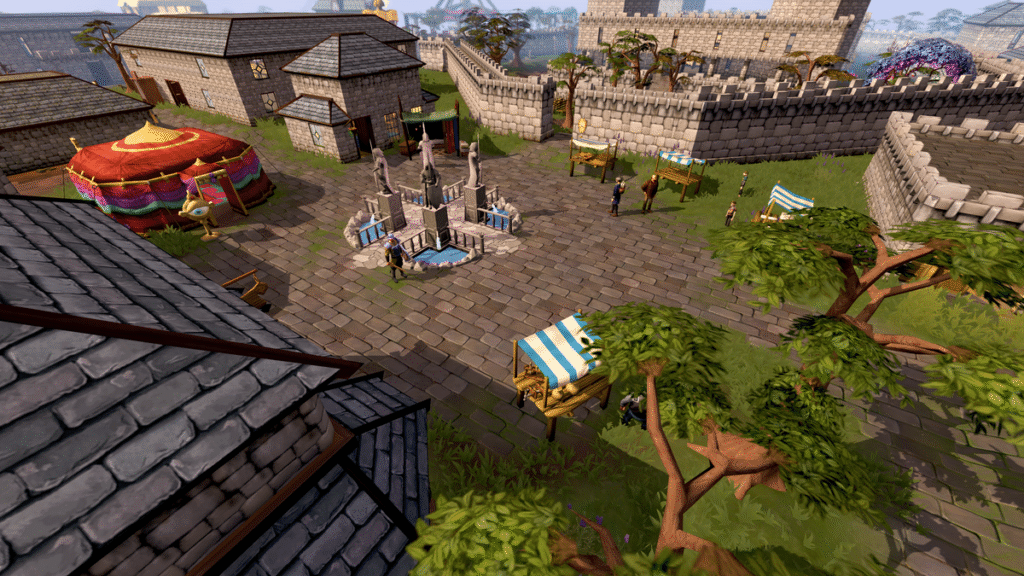
Long-term enjoyment in private gaming worlds begins with a strong and respectful community foundation. Players are more likely to stay engaged when they feel welcomed, valued, and heard. Successful communities establish clear rules, active moderation, and transparent leadership that prioritizes fairness. This structure helps prevent toxicity and promotes cooperation rather than conflict. In well-managed rsps , players often build lasting friendships through shared goals, clan activities, and mutual support. When trust exists between staff and players, the environment becomes stable and inviting, encouraging members to invest their time and energy for the long run.
Consistent Development That Keeps Players Invested
One of the most important factors in maintaining player interest is consistent and meaningful development. Communities that offer long-term enjoyment are backed by teams that actively listen to feedback and introduce improvements without disrupting balance. Regular updates, bug fixes, and quality-of-life enhancements show commitment and professionalism. In many rsps communities, players appreciate updates that expand gameplay while preserving the core experience they love. When updates are well-tested and thoughtfully implemented, players gain confidence that the server will continue to evolve rather than disappear unexpectedly.
Player-Driven Events and Social Interaction
Social interaction is the heart of any enduring gaming community. Events such as tournaments, seasonal challenges, and cooperative boss fights keep players engaged beyond routine gameplay. The best communities empower players to participate in planning and hosting events, creating a sense of ownership. Active Discord servers, forums, and in-game chat systems help maintain strong communication. In engaging rsps environments, these social elements turn gameplay into shared experiences, making players more likely to return not just for content, but for the people they play alongside.
Balanced Progression and Fair Gameplay Systems
A fair progression system is essential for long-term satisfaction. Communities that avoid excessive pay-to-win mechanics and focus on balanced rewards tend to retain players longer. When achievements feel earned rather than purchased, motivation remains high. Reliable rsps communities carefully design their economies to prevent inflation and unfair advantages. This balance allows both new and veteran players to enjoy the game without feeling left behind. Fair gameplay fosters trust and ensures that progress remains meaningful over time.
Why Stability and Community Loyalty Matter Most
Ultimately, long-term enjoyment depends on stability and loyalty. Communities that survive for years do so because they prioritize player experience over short-term gains. Consistent uptime, secure accounts, and responsive support build confidence. Loyal players often become ambassadors, inviting friends and contributing ideas that strengthen the community further. In well-established rsps, this cycle of trust, engagement, and growth creates an environment where players can invest long-term without fear. Stability transforms a simple server into a lasting digital home.