

Plumbing fixtures are essential parts of every home because they provide clean water access, proper drainage, and everyday convenience. However, even high-quality fixtures can develop problems over time due to regular use, aging components, hard water buildup, poor installation, and lack of maintenance. 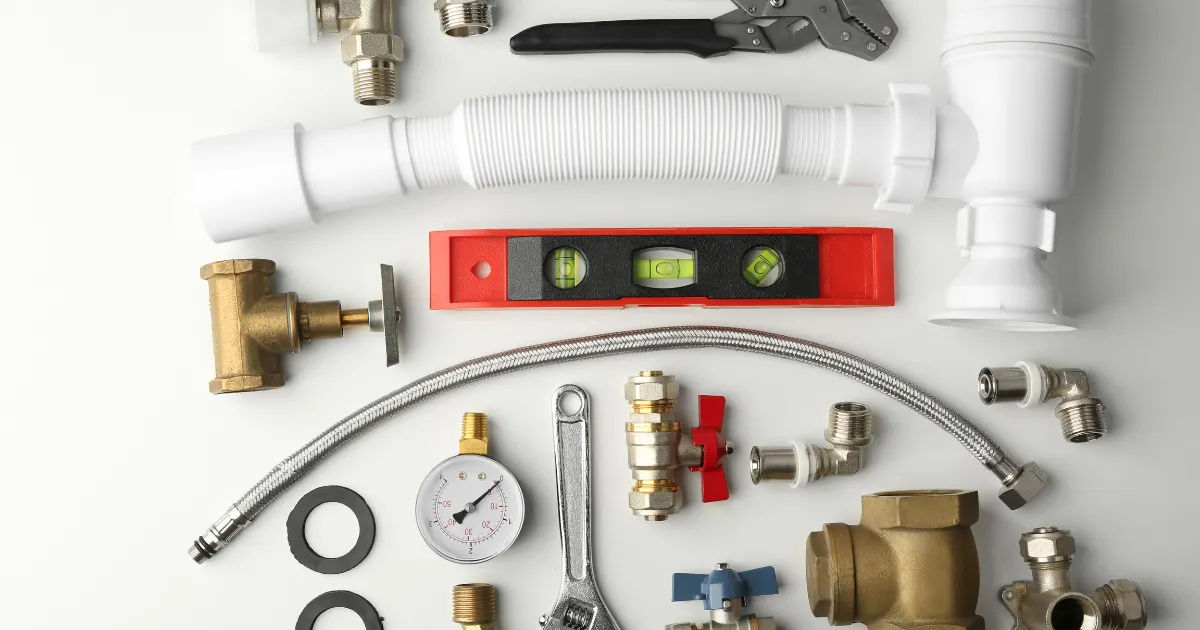 Homeowners often contact a Plumber Murrieta CA when common fixtures such as faucets, toilets, showers, and water heaters begin showing signs of failure.
Understanding which plumbing fixtures fail most often can help homeowners identify problems early and prevent expensive repairs. Small issues like a dripping faucet or a slow-draining sink may seem minor, but they can develop into larger plumbing emergencies if ignored.
In Murrieta homes, plumbing fixtures experience daily wear and tear. Factors such as mineral deposits from hard water, temperature changes, aging pipes, and constant household usage can reduce fixture performance. Knowing the common causes of fixture failures allows homeowners to make better maintenance decisions and extend the life of their plumbing systems.
This comprehensive guide explains the plumbing fixtures that fail most frequently, why these failures happen, warning signs to watch for, and how professional plumbing services can help maintain a reliable home plumbing system.
Why Plumbing Fixtures Fail Over Time
Every plumbing fixture has a limited lifespan. Even durable materials eventually experience wear because they constantly interact with water, pressure changes, and mechanical movement.
One major reason fixtures fail is regular usage. A faucet may be turned on and off thousands of times each year. A toilet may be flushed multiple times every day. Shower components constantly handle water pressure and temperature changes. Over time, internal parts become damaged or worn.
Another common cause is mineral buildup. Many areas have water containing minerals such as calcium and magnesium. These minerals can collect inside pipes, faucet aerators, showerheads, and valves. The buildup restricts water flow and creates pressure problems.
Poor installation is another major factor. Fixtures that are installed incorrectly may leak, loosen, or experience premature damage. Professional installation helps ensure proper connections, correct sealing, and long-term performance.
Lack of maintenance also contributes to fixture failure. Many homeowners wait until a fixture completely stops working before seeking help. Regular inspections can identify small problems before they become expensive repairs.
Faucets Are Among the Most Common Fixtures to Fail
Faucets are one of the most frequently used plumbing fixtures in any home. Because they are used multiple times every day, they experience significant stress. Kitchen faucets, bathroom faucets, and outdoor faucets can all develop problems over time.
One of the most common faucet issues is dripping. A dripping faucet usually happens because internal components such as washers, cartridges, or seals become worn out. While a small drip may not seem serious, it can waste hundreds of gallons of water over time.
A leaking faucet can also increase water bills. Even a slow leak creates unnecessary water usage and may contribute to water damage if the leak reaches cabinets, countertops, or flooring.
Low water pressure is another common faucet problem. Mineral deposits can block the aerator at the end of the faucet, reducing water flow. Cleaning or replacing the aerator may solve the issue, but deeper problems may require professional inspection.
Faucet handles can also become difficult to operate. Loose handles, stiff movement, or unusual noises often indicate internal damage. Ignoring these warning signs can lead to complete fixture failure.
A professional Plumber Murrieta CA can inspect faucet problems, replace damaged components, and recommend suitable replacement fixtures when repairs are no longer practical.
Toilets Commonly Experience Mechanical Failures
Toilets are among the most important plumbing fixtures in every household. Although they appear simple, they contain several moving parts that can fail over time.
One of the most common toilet problems is continuous running. This happens when the toilet tank does not stop filling after flushing. A damaged flapper valve, faulty fill valve, or worn-out float mechanism is usually responsible.
A running toilet can waste a significant amount of water. Homeowners may notice higher water bills or hear water constantly flowing inside the tank.
Another frequent toilet issue is clogging. Occasional clogs are normal, but frequent blockages may indicate deeper drainage problems. Excessive toilet paper usage, flushing inappropriate items, or problems with the sewer line can all contribute to repeated clogs.
Toilets can also develop leaks around the base. A leaking toilet base may occur because the wax seal has failed or the toilet has shifted from its original position. Water leaking onto the bathroom floor can damage flooring and create unpleasant odors.
Cracks in the toilet bowl or tank are another serious concern. Even small cracks can eventually cause water leaks and require complete replacement.
Regular toilet inspections and timely repairs help prevent water waste and costly damage.
Shower Fixtures Often Develop Water Flow Problems
Showers are another category of plumbing fixtures that frequently experience problems. Daily exposure to water, heat, and mineral deposits can affect shower performance.
A common shower issue is low water pressure. Mineral buildup inside showerheads can restrict water flow and make showers less effective. Cleaning the showerhead or replacing it may improve performance.
Shower valves can also fail. The valve controls water temperature and flow, so damage can create problems such as inconsistent temperatures or difficulty adjusting the water.
A leaking showerhead is another common problem. Although it may seem like a small issue, constant dripping can waste water and increase utility costs.
Some homeowners also experience problems with shower drains. Hair, soap residue, and debris can create blockages that slow drainage. If ignored, standing water can lead to moisture problems and unpleasant smells.
Modern shower fixtures often contain advanced components, which means professional repair may be necessary when internal parts fail.
Conclusion
Kitchen garbage disposals are convenient appliances, but they are often damaged because homeowners put unsuitable materials inside them.
Hard items such as bones, metal objects, and large food pieces can damage disposal blades and motors. Grease and oil can also create buildup inside the disposal and connected pipes.
A common sign of garbage disposal failure is unusual noise. Grinding, humming, or rattling sounds may indicate internal damage.
Another issue is a disposal that does not turn on. Electrical problems, motor failure, or a jammed mechanism may prevent operation.
Leaks underneath the sink are also common. Damaged seals or cracks in the disposal housing can allow water to escape.
Proper use and regular cleaning can extend the lifespan of a garbage disposal. When major mechanical failures occur, replacement is often more cost-effective than repeated repairs.