

Eid is one of the most awaited celebrations in the Islamic calendar. It is a time of joy, family gatherings, and of course, dressing up in beautiful and elegant outfits.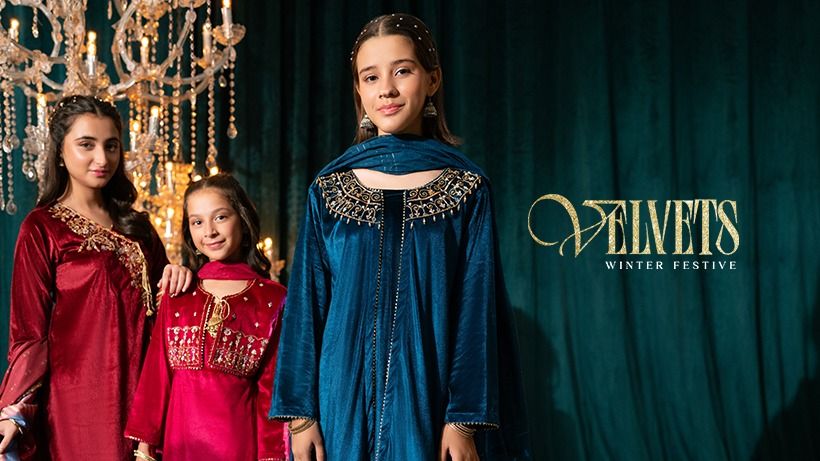
For beginners who are new to the world of festive fashion, choosing the perfect attire can feel overwhelming. This is where the concept of an eid design dress becomes important.
An eid design dress is not just clothing; it reflects personal style, cultural values, and the festive spirit of Eid.
This guide will help beginners navigate everything about Eid dresses, from choosing the right design to understanding fabrics, colors, and trends.
Understanding Eid Fashion
Eid fashion is unique because it blends tradition with modern trends. For centuries, Eid has been celebrated with specific clothing styles that highlight modesty, elegance, and creativity. Today, designers create eid design dresses that range from simple and graceful to luxurious and heavily embellished.
For beginners, understanding the basics of Eid fashion will make shopping and planning easier. It is essential to focus on the dress’s fit, comfort, and the occasion. An eid design dress can be worn to family gatherings, mosque visits, or large parties, so selecting the right style is crucial.
Types of Eid Design Dresses
Eid design dresses come in a variety of styles. Beginners should familiarize themselves with these common types:
Traditional Long Dresses
Traditional long dresses, also known as Anarkali suits or maxi dresses, are a staple during Eid. They are usually floor-length, feature intricate embroidery, and often come with matching dupattas. These dresses are perfect for beginners because they are elegant, modest, and suitable for all ages.
Straight-Cut Suits
Straight-cut suits offer a simple yet chic option. They are less voluminous than traditional dresses but still maintain elegance. Paired with churidar or trousers, these suits allow more mobility while keeping a festive look. For a beginner, straight-cut suits are easier to style and accessorize.
Modern Fusion Dresses
Modern fusion dresses mix traditional elements with western styles. This can include a long kurta paired with palazzo pants or a gown with minimal embroidery. Beginners who enjoy experimenting with fashion can try fusion dresses to create a unique Eid look.
Designer Couture
For special occasions or large gatherings, designer couture eid design dresses are a popular choice. These dresses often feature luxurious fabrics like silk, chiffon, or satin, with detailed hand embroidery or embellishments. Beginners may want to choose simpler designs first to learn what suits their personal style.
Choosing the Right Fabric
Fabric selection is a critical part of choosing an eid design dress. The wrong fabric can make even the most beautiful design uncomfortable or inappropriate. Here are some commonly used fabrics:
Cotton and Lawn
Cotton and lawn are lightweight, breathable fabrics. They are perfect for daytime Eid celebrations, especially in warmer climates. These fabrics often come in printed patterns or simple embroidery, making them beginner-friendly options.
Silk and Satin
Silk and satin are luxurious and smooth fabrics that drape beautifully. These are ideal for evening parties and formal events. Beginners should note that these fabrics require careful handling to avoid wrinkles and damage.
Chiffon and Georgette
Chiffon and georgette are lightweight and flowy, making them perfect for layered designs. They are slightly transparent, so lining is necessary. For beginners, dresses in these fabrics create a graceful and elegant look.
Velvet
Velvet is a winter favorite because of its thick, soft texture. An eid design dress made from velvet adds a regal feel, perfect for formal gatherings. Beginners may prefer velvet for smaller occasions as it is heavier and more expensive.
Understanding Colors and Patterns
Color selection is essential for an eid design dress. Eid is a festive occasion, so bright, cheerful colors are often preferred. Here’s a breakdown:
Traditional Colors
Red, green, gold, and blue are traditional festive colors. These shades are vibrant and work well with embroidery and embellishments. Beginners should choose colors that complement their skin tone and make them feel confident.
Pastel Shades
Pastels like mint green, peach, and lavender are subtle and elegant. These shades are gaining popularity among younger women who prefer a soft, modern look.
Patterns and Embellishments
Patterns, prints, and embellishments add character to an eid design dress. Beginners can choose from floral prints, geometric designs, or embroidered motifs. It’s best to start with light embellishments and gradually explore heavier, designer styles.
Measuring for the Perfect Fit
An eid design dress looks best when it fits perfectly. Here are key steps for beginners to measure correctly:
-
Bust: Measure around the fullest part of your chest.
-
Waist: Measure around the narrowest part of your waistline.
-
Hips: Measure around the fullest part of your hips.
-
Length: Decide whether you want ankle-length, floor-length, or knee-length dresses.
-
Sleeves: Measure arm length from shoulder to wrist.
Proper measurements ensure comfort and elegance. Always check the sizing chart if purchasing online.Accessorizing Your Eid Design Dress
Accessories can elevate a simple dress into a stunning Eid outfit. Beginners should consider the following:
Jewelry
-
Earrings: Statement jhumkas or chandelier earrings complement traditional dresses.
-
Necklaces: Simple chains work with embroidered dresses; heavier necklaces go with plain fabrics.
-
Bangles and bracelets: Add charm and elegance to your ensemble.
Footwear
-
Flats: Comfortable and suitable for daytime events.
-
Heels: Perfect for formal gatherings and evening parties.
-
Traditional footwear: Mojaris or khussas add a cultural touch.
Bags and Clutches
A small clutch or handbag completes the look. Choose colors that match or contrast tastefully with your dress.
Styling Tips for Beginners
For beginners, styling an eid design dress may seem challenging. Here are some tips:
-
Keep accessories minimal for heavily embroidered dresses.
-
Balance your outfit: If the dress is bright, choose neutral accessories.
-
Pay attention to layering: Dupattas and shawls can enhance or overwhelm the outfit.
-
Opt for comfortable fabrics if you plan to move or dance.
-
Experiment with hairstyles that complement your neckline.
Budgeting for Eid Dresses
Eid fashion varies widely in price. Beginners should plan their budget carefully:
-
Low-budget: Simple cotton or lawn suits with light embroidery.
-
Mid-budget: Silk, georgette, or chiffon dresses with moderate embellishments.
-
High-budget: Designer couture with intricate embroidery, heavy fabrics, or luxury brands.
Remember, style does not always require spending a fortune. Choosing the right fabric, color, and accessories can create a stunning look on any budget.
Shopping Tips for Beginners
Shopping for an eid design dress can be overwhelming, but beginners can simplify the process:
-
Start early to avoid last-minute stress.
-
Compare online and offline stores for variety.
-
Check return policies for online purchases.
-
Read reviews to understand the quality of fabrics and embroidery.
-
Always try on the dress if possible to ensure fit and comfort.
Popular Eid Dress Trends for Beginners
Fashion trends evolve each year, and even beginners can follow them with ease. Some current trends include:
-
Pastel-colored maxi dresses
-
Embroidered long kurtas with trousers
-
Fusion dresses combining western and traditional elements
-
Minimalist designs with subtle embellishments
-
Lightweight fabrics with floral or geometric patterns
Following trends helps beginners feel confident and stylish without overwhelming their choices.
Common Mistakes Beginners Should Avoid
To make your Eid look perfect, beginners should avoid these mistakes:
-
Choosing a dress only for looks, ignoring comfort
-
Over-accessorizing, especially with heavily embroidered dresses
-
Ignoring proper measurements and sizing
-
Picking fabrics unsuitable for the weather or occasion
-
Following trends blindly without considering personal style
By avoiding these pitfalls, your eid design dress will look elegant and feel comfortable.
Caring for Your Eid Design Dress
Proper care ensures that your dress stays beautiful for years. Here are tips:
-
Read the fabric care label carefully.
-
Hand wash delicate fabrics like silk and chiffon.
-
Store embroidered dresses in soft covers to avoid damage.
-
Iron or steam carefully to prevent fabric burns.
-
Keep away from moisture and direct sunlight to preserve colors.
Caring for your dress maintains its charm and longevity.
Conclusion
Choosing the perfect eid design dress as a beginner may seem daunting, but with the right guidance, it becomes a joyful experience. Understanding the types of dresses, fabrics, colors, and accessories helps in creating a stylish and comfortable outfit. Beginners should start with simpler designs and gradually explore more elaborate styles as they gain confidence.
Eid is not just about fashion; it is about expressing joy, tradition, and personal style. By selecting an eid design dress that matches your taste, body type, and occasion, you can celebrate the festival beautifully and confidently. Remember, elegance comes from balance—between design, comfort, and personal expression.
With proper planning, knowledge of fabrics, awareness of trends, and a focus on personal style, beginners can make their first Eid fashion experience truly memorable. Every celebration becomes more special when you feel good in your outfit, and the right eid design dress is the first step toward that confidence.
Enjoy the process, embrace your style, and make your Eid celebrations unforgettable with a dress that reflects your personality and the spirit of the festival.