

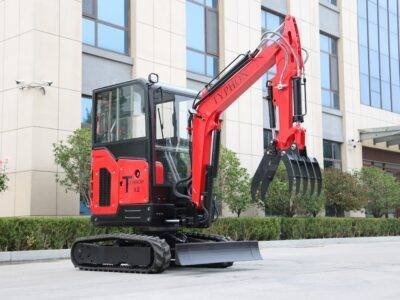
Industrial machinery has been a cornerstone of modern font manufacturing, technical advancements and contributing to the economic winner of various industries. From moving production lines to food processing plants, heavy-duty machinery plays an necessary role in enhancing product , improving production quality, and raising work . With the current organic evolution of machinery technologies, industries around the world are experiencing an unprecedented transmutation in how goods are produced, transported, and doled out. This article explores the meaning of industrial machinery, its types, benefits, and the future trends that are shaping the futurity of manufacturing.
The phylogenesis of industrial machinery can be copied back to the Industrial Revolution, a time period pronounced by the shift from manual of arms push on to natural philosophy major power. Over the old age, machinery has big more sophisticated, incorporating advanced technologies like automation, robotics, and stylized word. Today, industries rely on a wide straddle of machinery for specific applications, such as CNC machines, conveyors, presses, and promotion equipment, all designed to do tasks with travel rapidly and preciseness. The desegregation of such machinery allows manufacturers to streamline their operations, reduce homo error, and create goods on a larger surmount than ever before.
One of the primary quill benefits of heavy-duty machinery is its power to raise productiveness. Machines can do iterative tasks with implausible truth and consistency, freeing up human being workers to focus on high-value activities that require creativity and problem-solving. For example, in the self-propelling industry, robotic arms are used to piece vehicles with great precision, allowing manufacturers to meet high product targets without vulnerable on tone. Similarly, in food production, automatic machines can handle the sort, promotional material, and labeling of products, reducing the time it takes to bring on goods to commercialize.
Moreover, industrial machinery contributes to cost nest egg by rising operational . With the power to work circle the time, machines significantly reduce the need for manual labour and downtime, leadership to lower labor costs and accumulated yield. Additionally, machines are designed to minimize material run off by ensuring that every component part is produced with best precision. For example, CNC machines can cut and form raw materials with marginal run off, reduction product and the situation bear upon associated with manufacturing processes.
In Recent epoch eld, advancements in engineering have further revolutionized the role of heavy-duty machinery in manufacturing. The Advent of Industry 4.0, characterised by the integration of hurt systems, IoT(Internet of Things) , and coloured news, has enabled machines to pass along with each other and make real-time adjustments to optimise public presentation. This allows manufacturers to monitor simple machine wellness, track production come along, and even predict sustentation needs before fails. Predictive maintenance technologies, for example, use sensors and data analytics to tax the of machines, preventing expensive breakdowns and extending the lifespan of equipment.
Another exciting in industrial machinery is the rise of linear manufacturing, usually known as 3D printing process. This technology enables manufacturers to produce parts and products directly from integer models, bypassing the need for traditional molds or tooling. 3D printing process has the potency to revolutionise industries such as aerospace, health care, and consumer electronics, offer greater tractableness in plan and reducing the time and cost associated with prototyping and production.
Despite these advancements, there are challenges associated with industrial machinery. High machinery.online investment , the need for practiced tug to run and maintain intellectual , and concerns about simple machine obsolescence are some of the obstacles that manufacturers must address. However, with the continued development of technology and the ontogeny emphasis on sustainability, the benefits of industrial machinery far overbalance these challenges, positioning it as a critical of modern font manufacturing.
In ending, industrial machinery has become obligatory in modern manufacturing, transforming industries and driving worldly increment. Through advancements in automation, robotics, and substitute tidings, machinery has significantly improved productiveness, efficiency, and production tone across a wide straddle of sectors. As technology continues to germinate, the hereafter of heavy-duty machinery promises even greater innovations, enabling manufacturers to stay aggressive in an progressively globalized and fast-paced market.